
Teviot Pest Control
About us
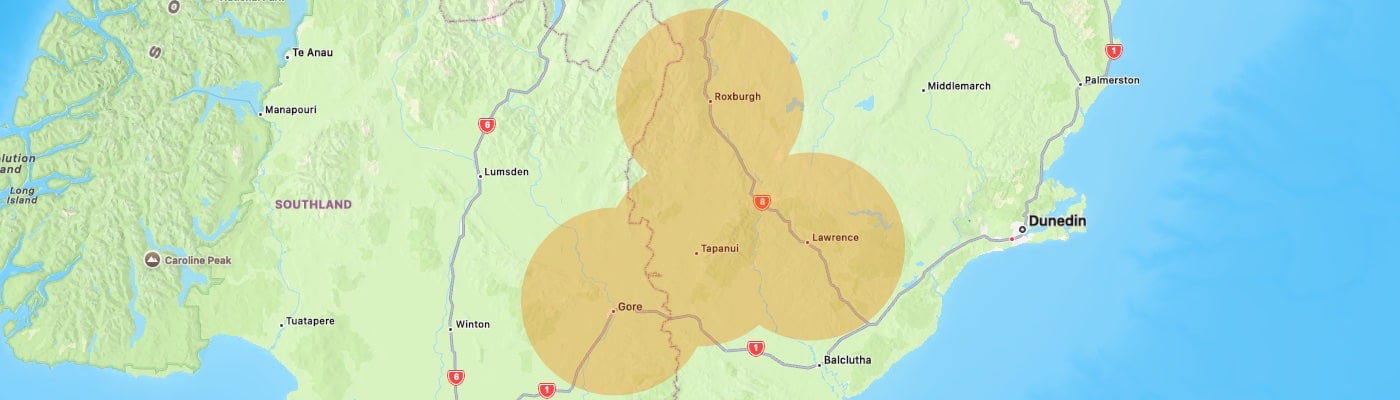
Serving Roxburgh, Tapanui, Lawrence, Gore and the surrounding district we offer expert pest-management services for homes, farms and commercial properties. We specialise in safe, effective, environmentally aware control of Flies, Wasps, Ants, Carpet Beetle, Borer, Bed bugs, Spiders, Rats & Mice.
Teviot Pest Control is owned and operated by myself Adam Hart based in Dumbarton near Roxburgh. I have my Certificate in Urban Pest Management. I am fully insured and Sitewise approved for my Health and Safety. I am a member of the Pest Management Association of New Zealand.
Using local knowledge and up-to-date techniques, we tailor strategies to the unique conditions of the region, helping protect your home or business from pest-related damage, health risks and nuisance infestations.
Why choose Teviot Pest Control?
- Based locally serving Roxburgh, Tapanui, Lawrence, Gore and surrounding areas—so we understand local pest pressures and building types.
- Full-service pest management covering the full list of pests above—one provider for Flies, Wasps, Ants, Carpet Beetle, Borer, Bed bugs, Spiders, Rats & Mice.
- Environmentally aware treatments—safe for your family, pets and business.
- Residential and commercial service—homes, holiday-homes, rentals, farms, food premises and hospitality.
- Preventative maintenance programmes available—to reduce risk before serious infestations.
- Rapid response and follow-up—because pests don’t wait, and neither do we.


Flies
Impact & dangers
Flies are more than just a nuisance: they can transmit a wide range of pathogens, including food-borne illnesses and other diseases. Because flies feed and breed in decaying organic matter, waste, manure and damp sites, they can bring contamination into kitchens, food-prep areas or commercial food businesses.
Environmental preferences & seasonal behaviour
Flies thrive in warm, moist conditions and reproduce rapidly where there is organic waste, compost, animal matter or open bins. Spring and summer are peak periods for fly activity.
Cluster flies make an appearance in autumn and can be preventatively treated.
Best time & control strategy
- spring is a good time to implement preventative treatments, before large populations build.
- During summer ensure waste areas, composts, farm sheds and animal housing are well managed to minimise fly breeding.
- Because flies can breed fast, regular monitoring and sanitation are key.
Spiders
Impact & dangers
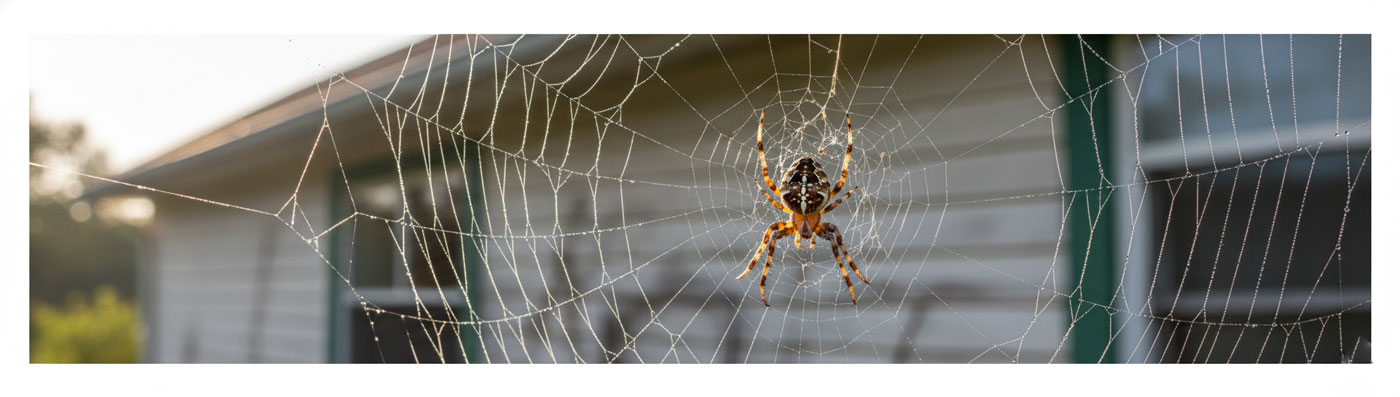
While most spiders in New Zealand are harmless, some introduced species ie whitetail and redback can pose a bite risk. Even non-venomous spiders can cause nuisance via unsightly webs.
Environmental preferences & seasonal behaviour
Spiders favour dark, undisturbed areas—eaves, sheds, garages, roof voids, behind furniture, corners of rooms. Activity tends to increase in warmer months when prey (other insects) is abundant. Indoor infestations often occur when external populations move inside for shelter (especially in cooler weather).
Best time & control strategy
We conduct spider-risk assessments and offer targeted treatments for both residential and commercial clients. Spider spraying can start in Spring and run right through to autumn.
Rats & Mice
Impact & dangers
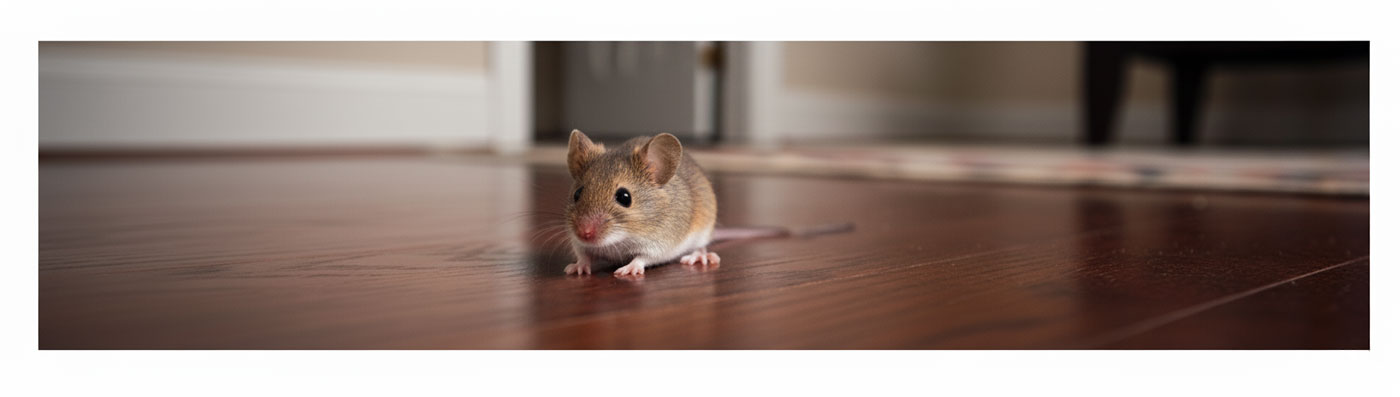
Rodents are among the most significant pest problems: they carry disease (e.g., leptospirosis, salmonella), contaminate food, chew wiring, insulation and structural elements, and cause hygiene and building-damage issues.
Environmental preferences & seasonal behaviour
Rodents seek shelter, food and water. They invade buildings, sheds, storage areas and homes especially in cooler months when outside conditions become less hospitable. They exploit small gaps (10 mm or less) and can nest in roof voids, wall cavities, sub-floors and sheds.
Best time & control strategy
- Regular monitoring around buildings, especially in late autumn/early winter before heavy rodent build-up.
- Rodent proofing building perimeters: sealing gaps, controlling vegetation, managing waste and feed sources.
- Professional rodent-control involves baits, traps, follow-up and verification of eradication. This can be part of a Food Safety Plan for commercial clients.
- Because rodents breed rapidly, small problems must be addressed early.
Wasps German, Paper & Common
Impact & dangers
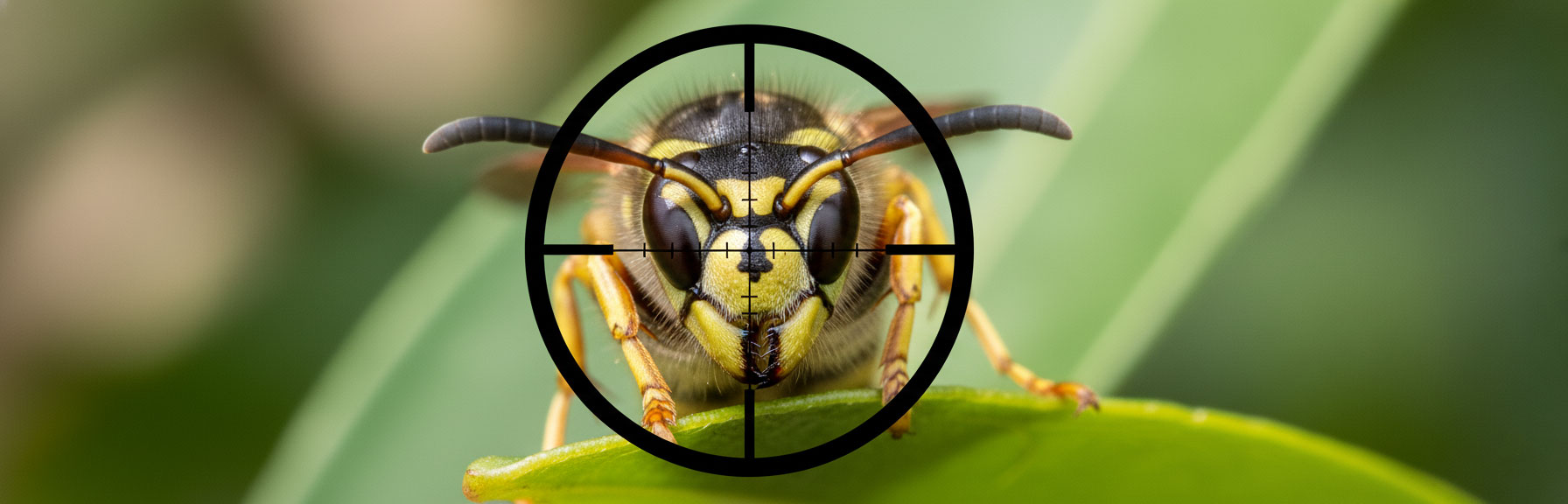
Wasps pose a health hazard via stings, especially in outdoor areas, and can disrupt business, tourism or recreational properties. In addition to direct hazard to people, introduced wasp species have adverse ecological impacts on native insect fauna in New Zealand.
Environmental preferences & seasonal behaviour
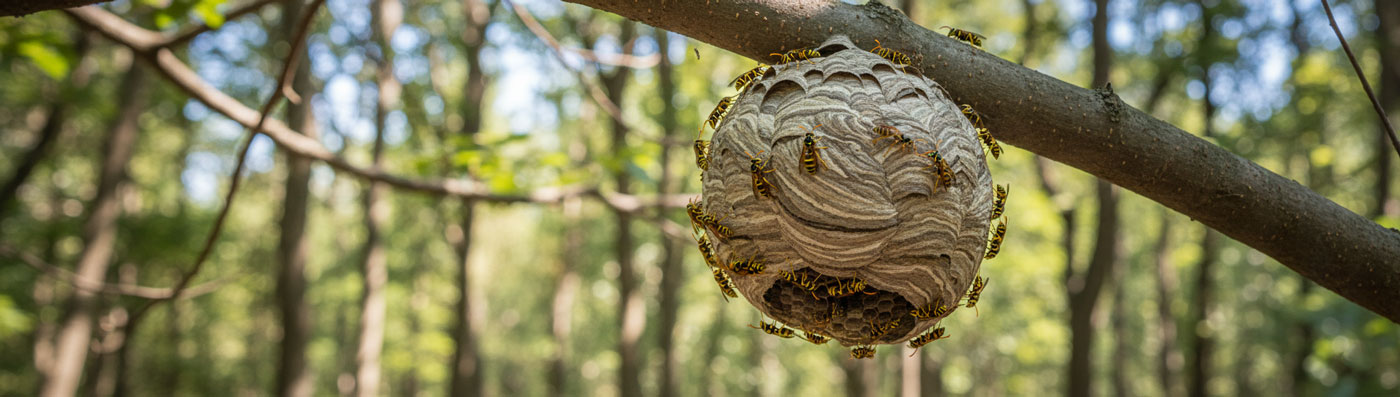
Social wasps ie. German and Common Wasps, build nests in cavities, wall voids, ground hollows or above-roof spaces. In the region we serve—towns like Gore, Tapanui, Lawrence—wasp activity increases rapidly in spring and summer as nests grow. As autumn approaches, nests decline or die off, but the high-risk period is late spring into summer.
Asian Paper Wasps are prolific protein feeders and eat beneficial insects. They are increasingly common in the area.
Best time & control strategy
German and common wasps nest become an issue from early January. If a nest is located they can be easily treated. From early February when the common and german wasps switch to protein feeding. A great product called Vespex can be used for around 6 to 8 weeks. The Wasps take the bait back to the nest and it kills the nest.
- There is no specific bait/lure for Paper Wasps yet, an exterior insecticide treatment will prevent them from building their nests in your eaves etc.
- Because Wasp treatments can be hazardous, professional intervention is strongly advised.
Ants
Impact & dangers
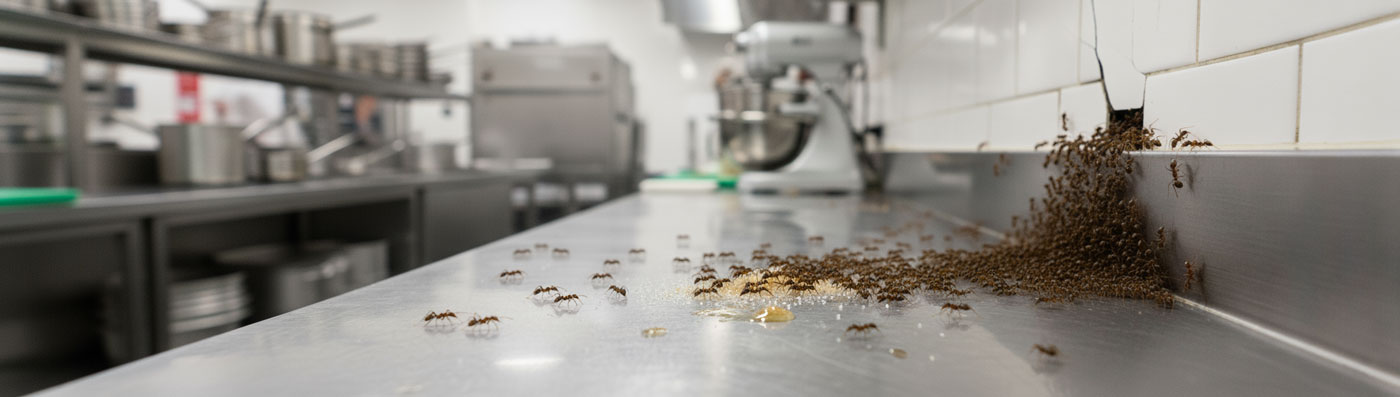
Ants may not always carry disease like rodents, but they can infest kitchens, food-storage areas, commercial premises, and become a persistent nuisance. Some ant species can damage insulation or building materials, contaminate food and require repeated control efforts.
Environmental preferences & seasonal behaviour
Ants prefer warm, dry cracks and crevices in buildings, under floors, along skirtings, door/window frames, and in outdoor gardens/paths.
Best time & control strategy
- Early spring/late winter is a good time to inspect and apply preventive treatments around building perimeters.
- Secure food & waste storage, manage external composts or garden beds, and seal cracks to reduce entry.
- Professional baiting, monitoring and targeted treatments are effective for long-term control, especially for large or established nests.
Carpet Beetle
Impact & dangers
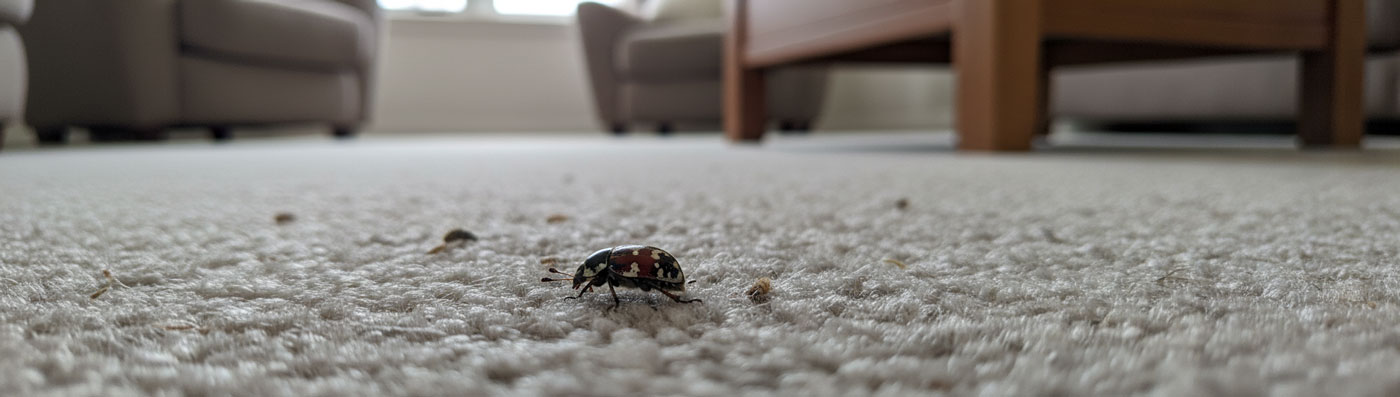
Carpet beetles are fabric/organic-fibre pests: their larvae feed on wool carpets, rugs, upholstery, natural-fibre clothing, animal skins and other organic materials. They don’t pose major disease-risk but can cause significant damage to valuable fabrics.
Environmental preferences & seasonal behaviour
Larvae tend to hide under furniture, between carpet edges, along skirtings and in wardrobes/closets where woollen/fur materials are present.
Best time & control strategy
- Inspect carpets, rugs, wardrobes regularly for damage or larvae.
- Vacuum frequently and treat edges and under-furniture zones.
- Consider professional treatment if damage is extensive.
BorerWood-destroying beetles
Impact & dangers
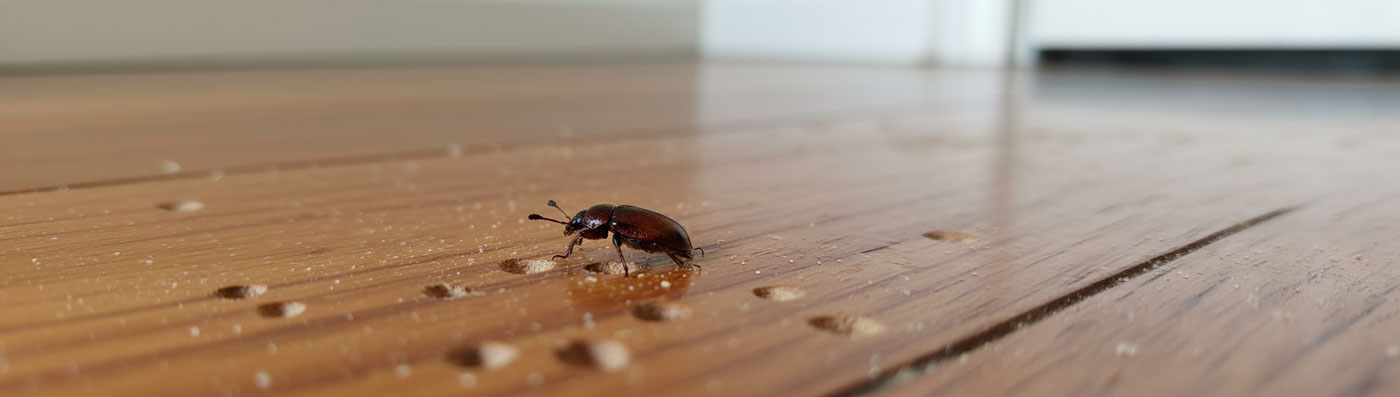
Wood borer beetles attack structural timber, flooring, floorboards, joists, weatherboards and furniture. In New Zealand many older homes and buildings (common in the Lower South Island) are vulnerable. Untreated borer activity can weaken timber and lead to rot or structural damage.
Environmental preferences & seasonal behaviour
Borers attack untreated or poorly treated sapwood. The larvae live within timber for 2-4 years (or more), boring tunnels and exiting as adults via small holes (often 1-2 mm diameter). Adult emergence often occurs October–February in NZ. Damage is cumulative and often unnoticed until advanced.
Best time & control strategy
- Professional treatments may include injection of insecticides, surface treatments and managing moisture/rot risk.
- Because borers lie hidden, professional inspection is key.
Bed Bugs
Impact & dangers
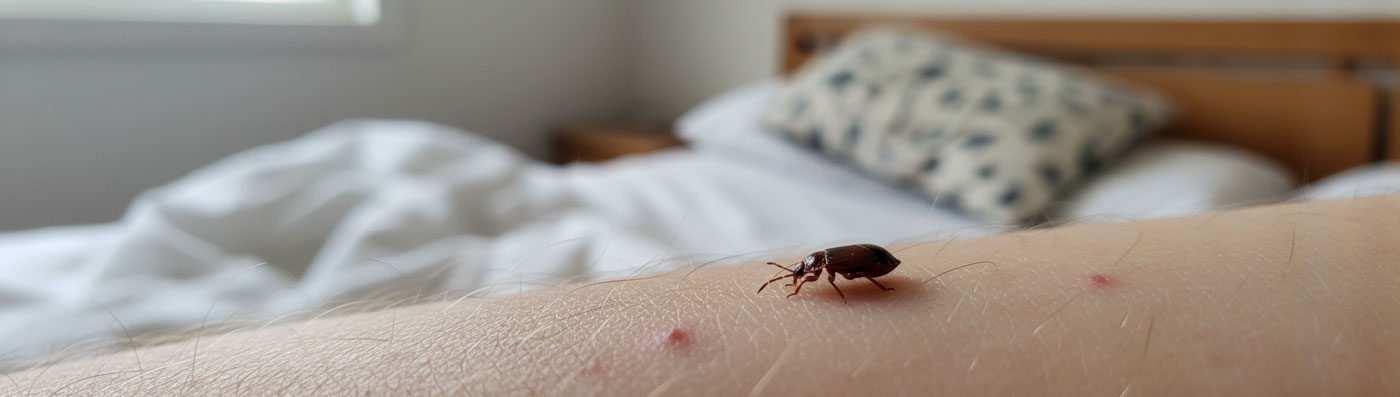
Bed bugs are a growing issue across NZ. They feed on human blood, cause itchy bites, sleep disturbance and significant stress. While they’re not known to transmit disease, their presence is strongly associated with hygiene and reputation issues in hospitality, rentals or guest accommodation.
Environmental preferences & seasonal behaviour
Bed bugs hide in mattresses, bed frames, headboards, crevices, behind pictures, skirtings and luggage voids. They are often introduced by travel, second-hand furniture or multi-unit housing.
Best time & control strategy
- Routine inspections of accommodation by housekeeping staff, traveller lodging or multi-unit housing in the region.
- Early detection is critical—once established infestations spread rapidly and treatment becomes more complex.
- Follow-up monitoring and prevention (such as mattress covers, luggage inspection, sealing gaps) is essential.
Contact Us
Ready to protect your home or business from pest threats? Contact Teviot Pest Control today for a free quote or site inspection in the Roxburgh, Tapanui, Lawrence, Gore region and surrounds. Let us help you stay pest-free, safe and confident.
